

Chess Should Be More Than an Event
From a game for life to a connected chess life in Richmond
Six years ago to the date, I wrote an article for Richmond Family Magazine called “Chess: Game for Life.”
It was 2020. Families were pulling dusty board games out of closets, spending more time together than anyone had anticipated and trying to navigate a world that required all of us to think several moves ahead.
I wrote about chess as a tool for resilience, creativity, strategic thinking and family connection. I also wrote about the many ways children encounter the game and why chess should be allowed to take shape naturally in their lives.
I ended the article with something I still believe:
Chess is a game. Chess is a sport. Chess is friendship.
After more years of coaching players, organizing tournaments and building Discovery Center at Stony Point™, I have come to understand another part of that idea:
Discovering chess is often easier than discovering where you belong within it.
There Is No Single Doorway Into Chess
People come to know the game in all kinds of ways.
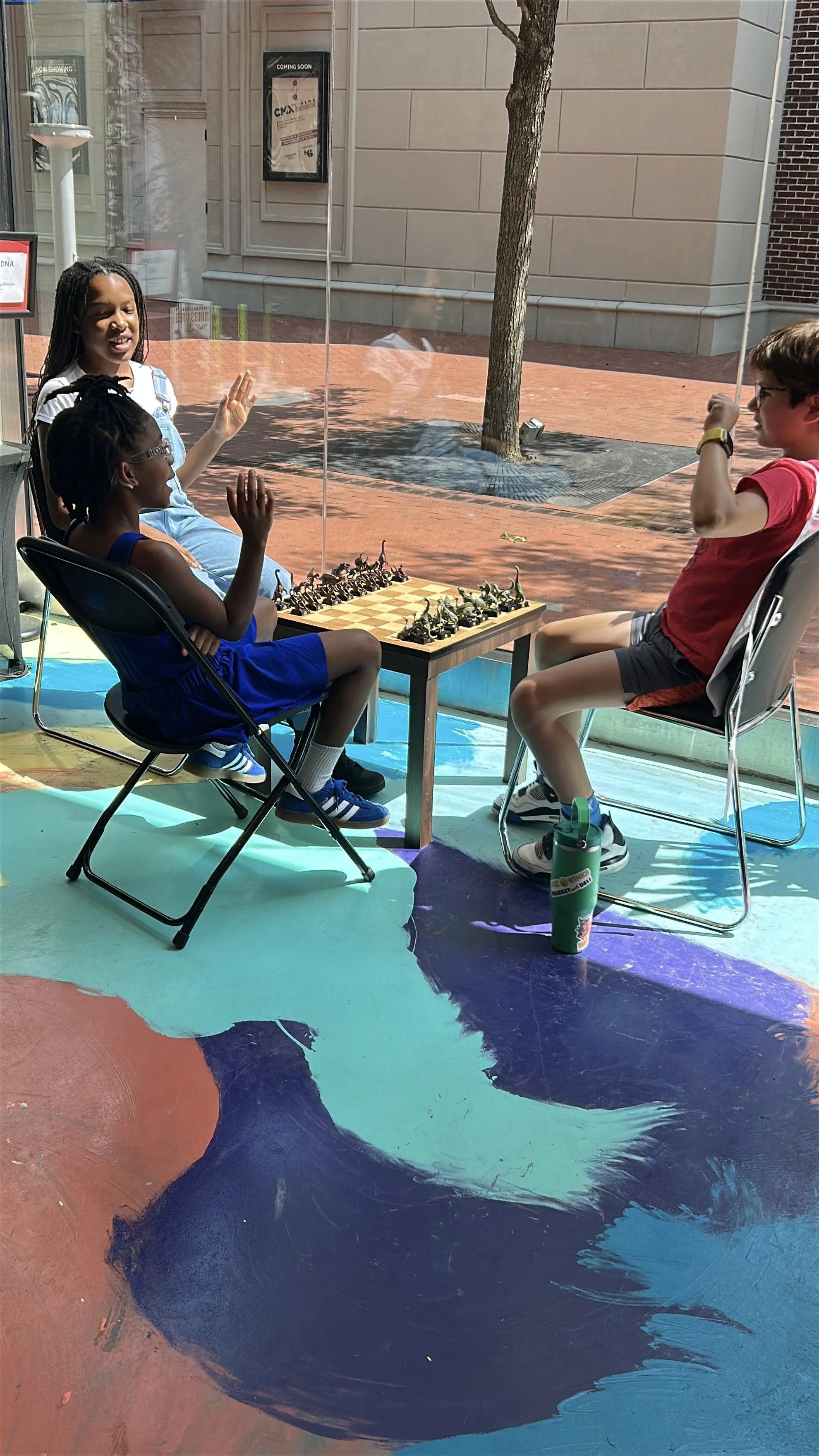
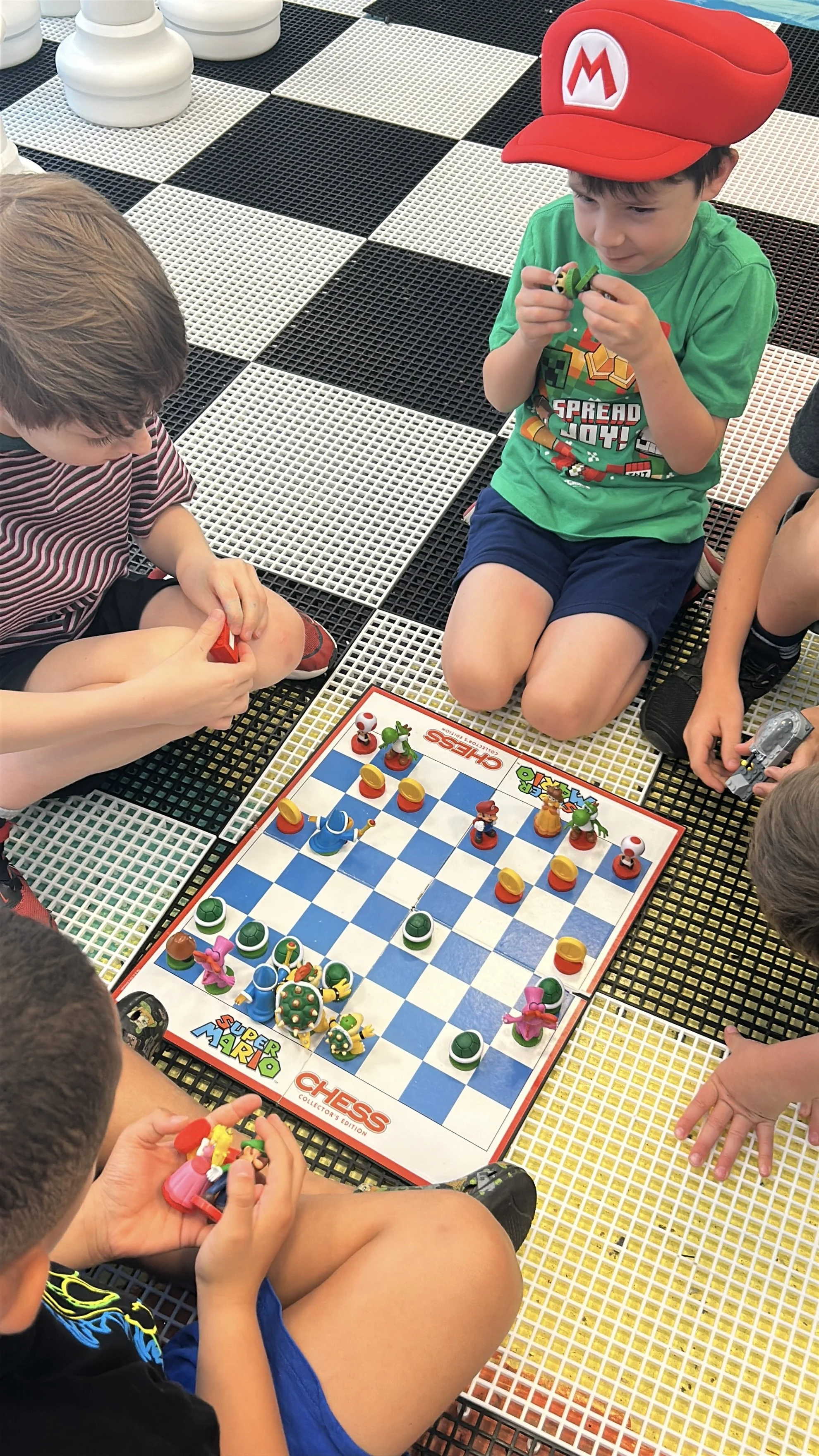
One child may first see chess on Bluey. Another learns from a grandparent. Someone else begins playing through an online app, watches a friend at school or becomes curious after seeing a chessboard in the community.
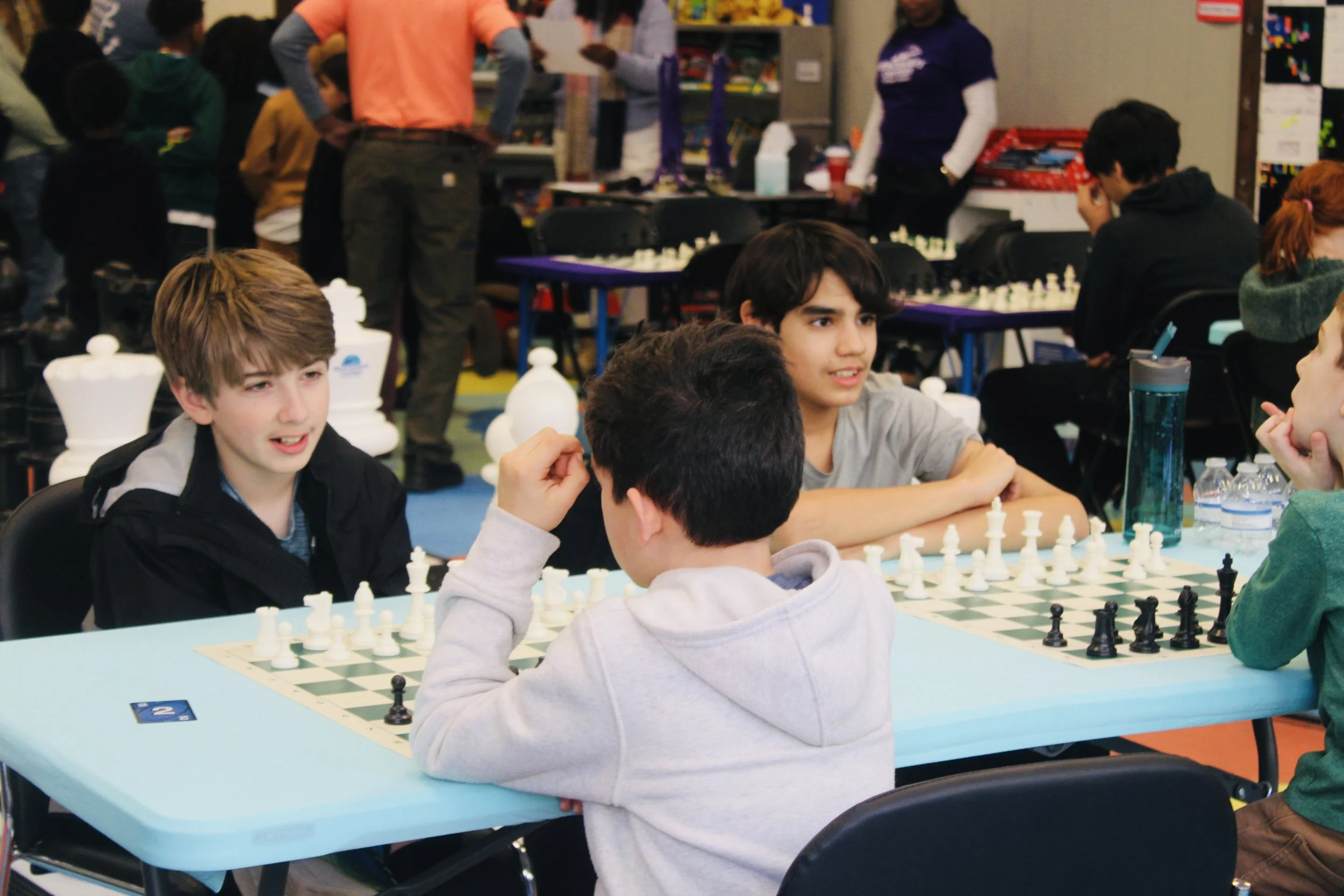
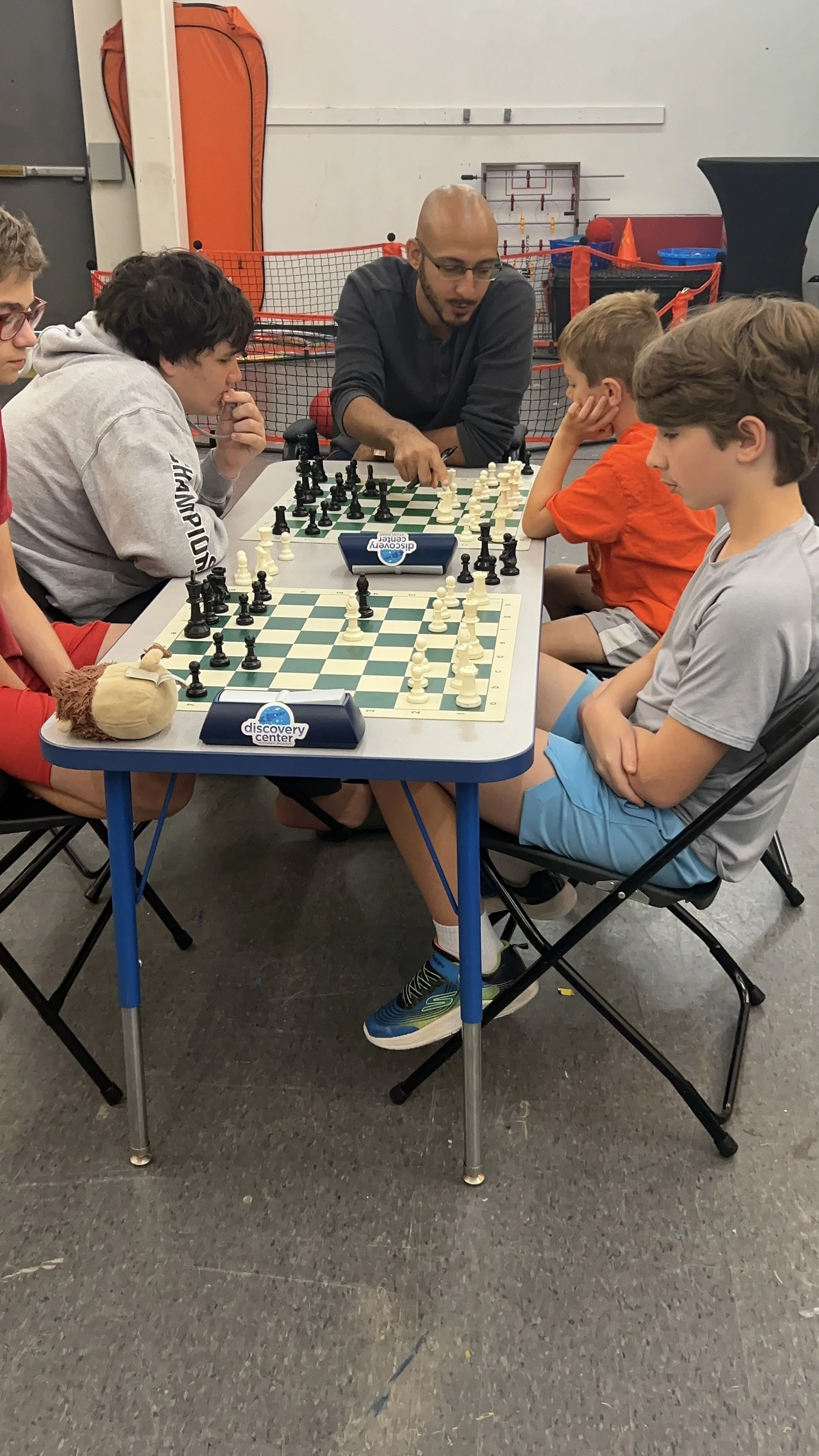
Discovery Chess League Tournament at Discovery Center at Stony Point
There is no single doorway into chess—and there should not be.
But after that first spark of interest, families often struggle to find a centralized place where a player can discover the game, learn how to grow, play consistently and understand what comes next.
Instead, chess can become a collection of separate opportunities.
A child attends a lesson. Plays at a free community meetup. Enters a tournament. Practices online for a while. Then waits for the next event to appear.
Every one of those experiences can be valuable. Free play makes chess more accessible. Lessons help players develop. Online platforms make it possible to practice almost anywhere. Tournaments give players goals and a chance to test what they have learned.
But after the game ends, one important question often remains:
What comes next?
Over the years, I have watched children finish a tournament, collect their things and leave without really knowing the players they had spent hours competing against. I began wondering what chess could become if those same players had opportunities to practice together, represent teams, talk about their goals and grow alongside one another.
We believe chess should offer that possibility.
From Chess Activities to a Chess Life
Players need more than isolated dates on a calendar. They need opportunities to return, relationships that deepen and a pathway that helps them understand where they are going.
A beginning player should be able to discover the game without feeling intimidated.
A developing player should have consistent coaching, familiar peers and meaningful opportunities to practice.
A competitive player should have more than tournaments. They should have teammates, analysis, preparation and people who understand their goals.
Schools should be able to build chess identities that continue beyond the final club meeting.
Adults, seniors and families should also have places where chess creates conversation, friendship and belonging.
This is the difference between offering chess activities and building a connected chess community.
Tournaments Matter—But They Are Not the Whole Journey
Competition is an important part of chess. It teaches players to
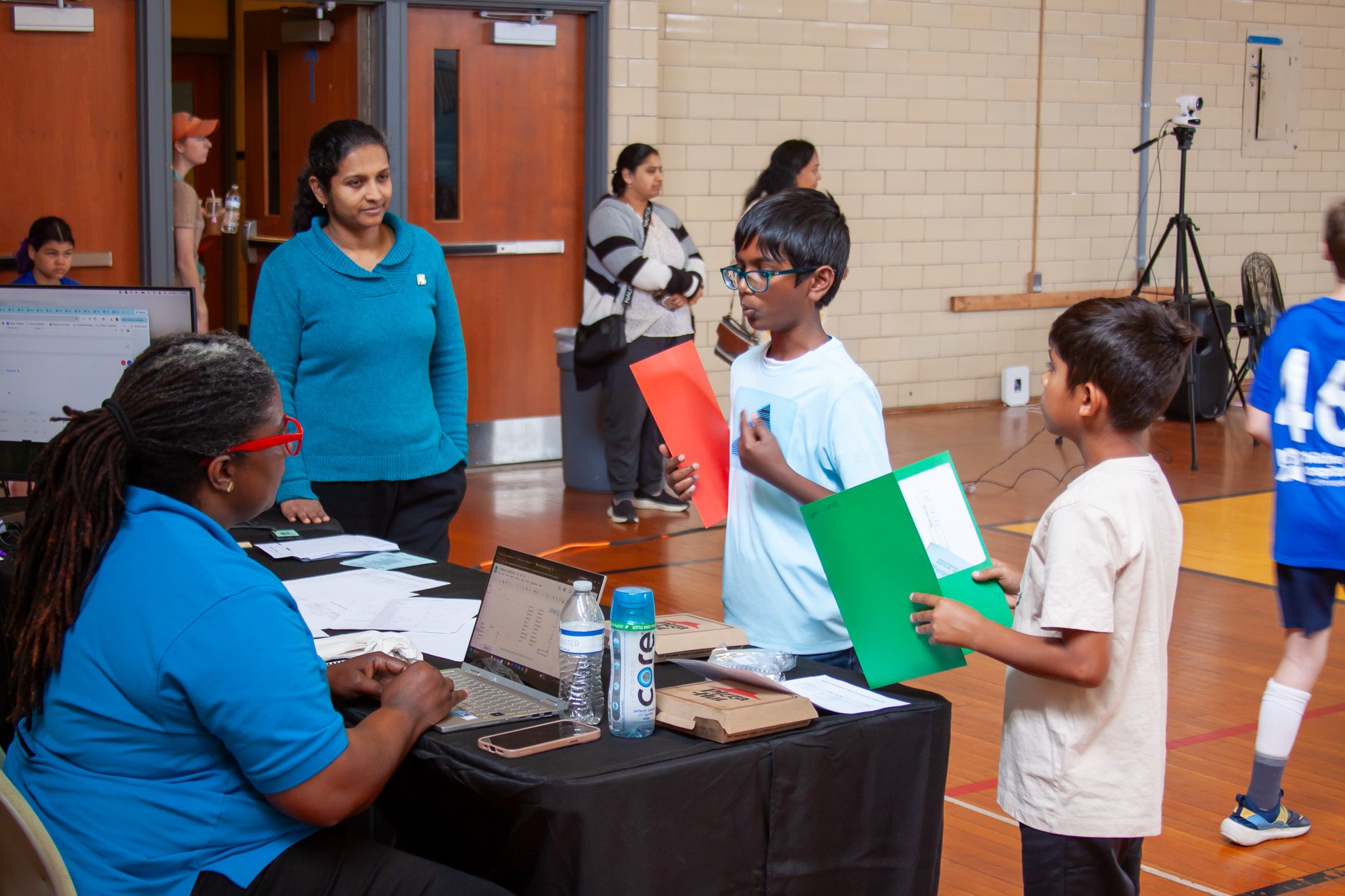
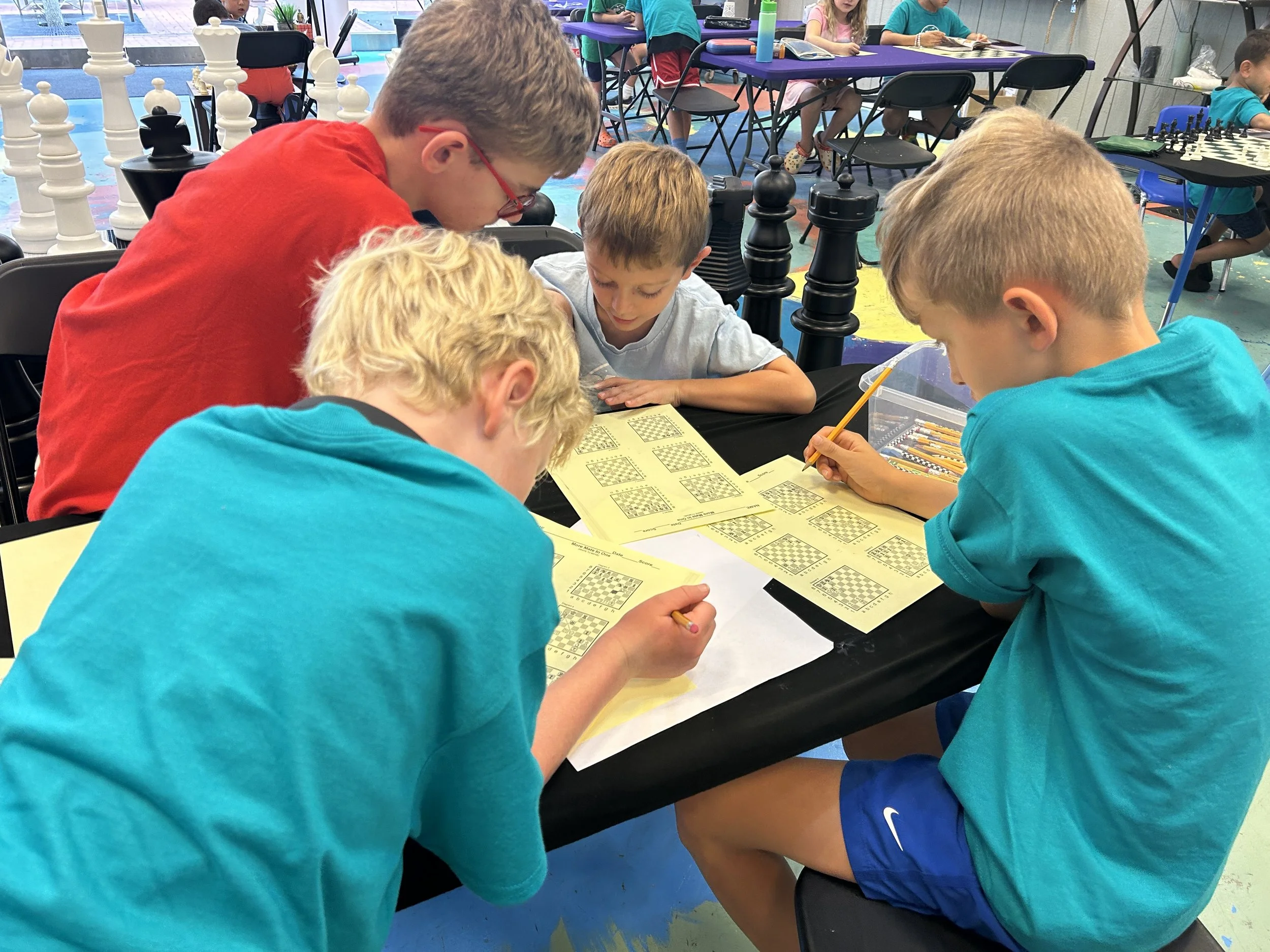
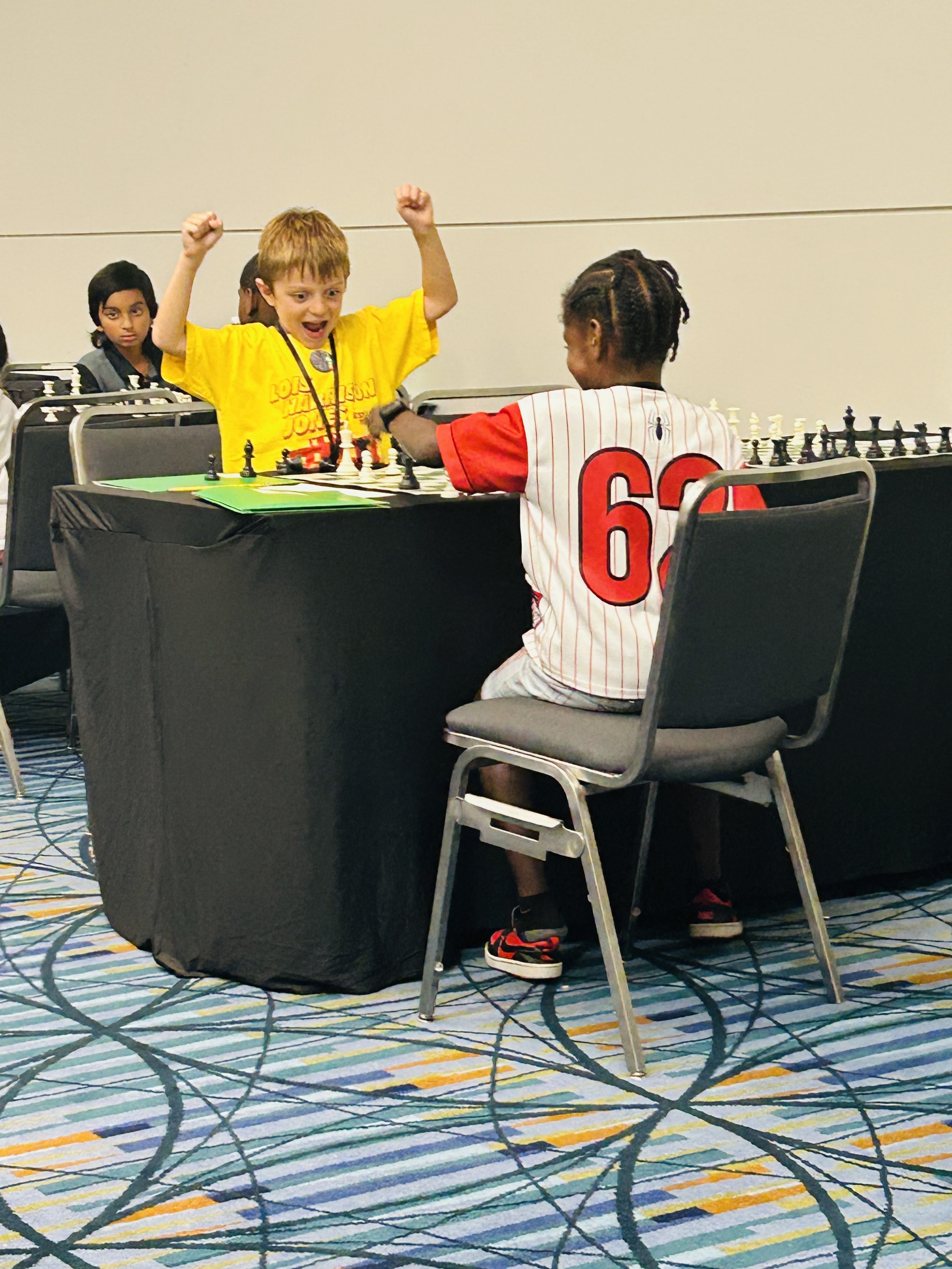
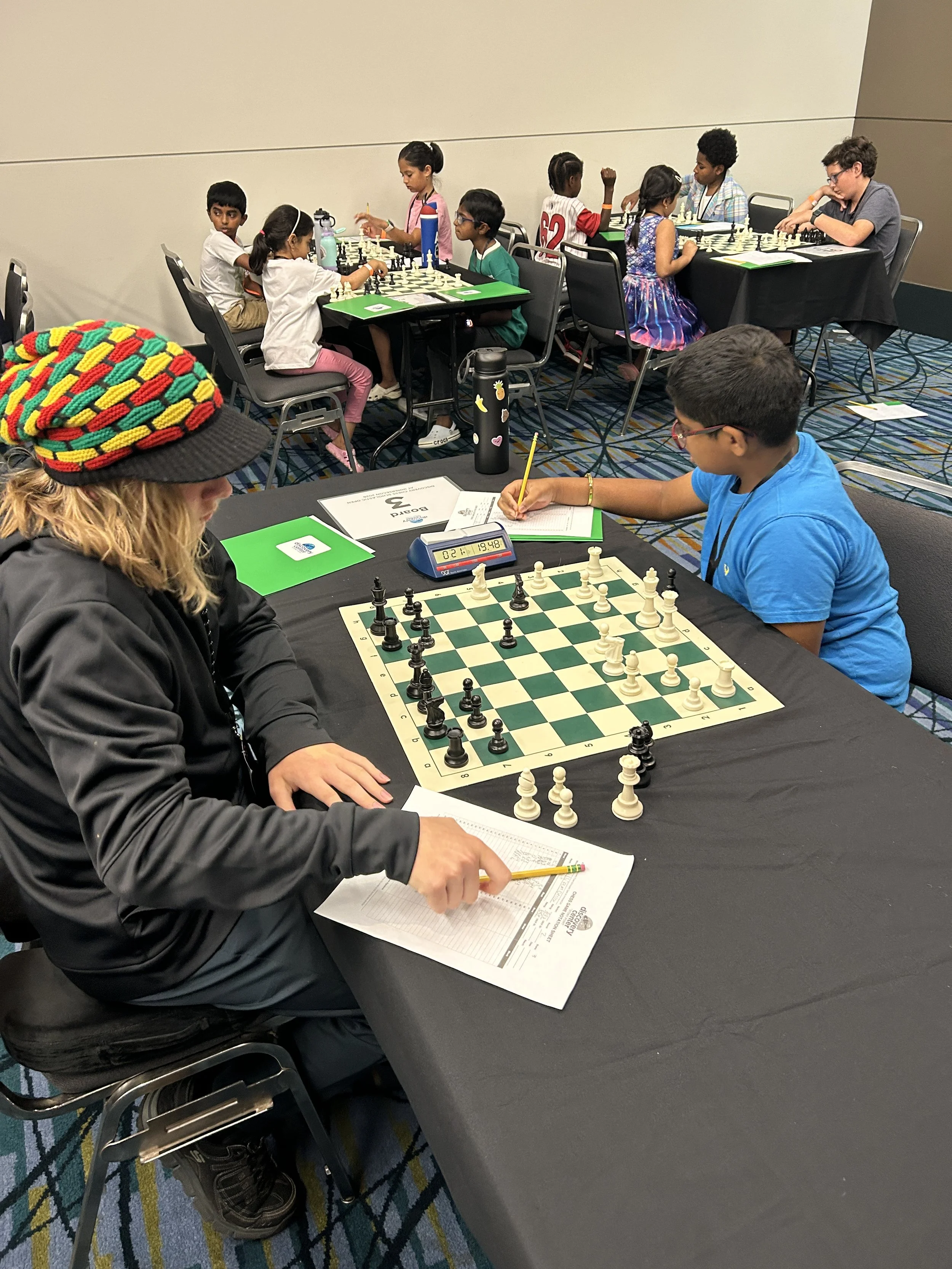
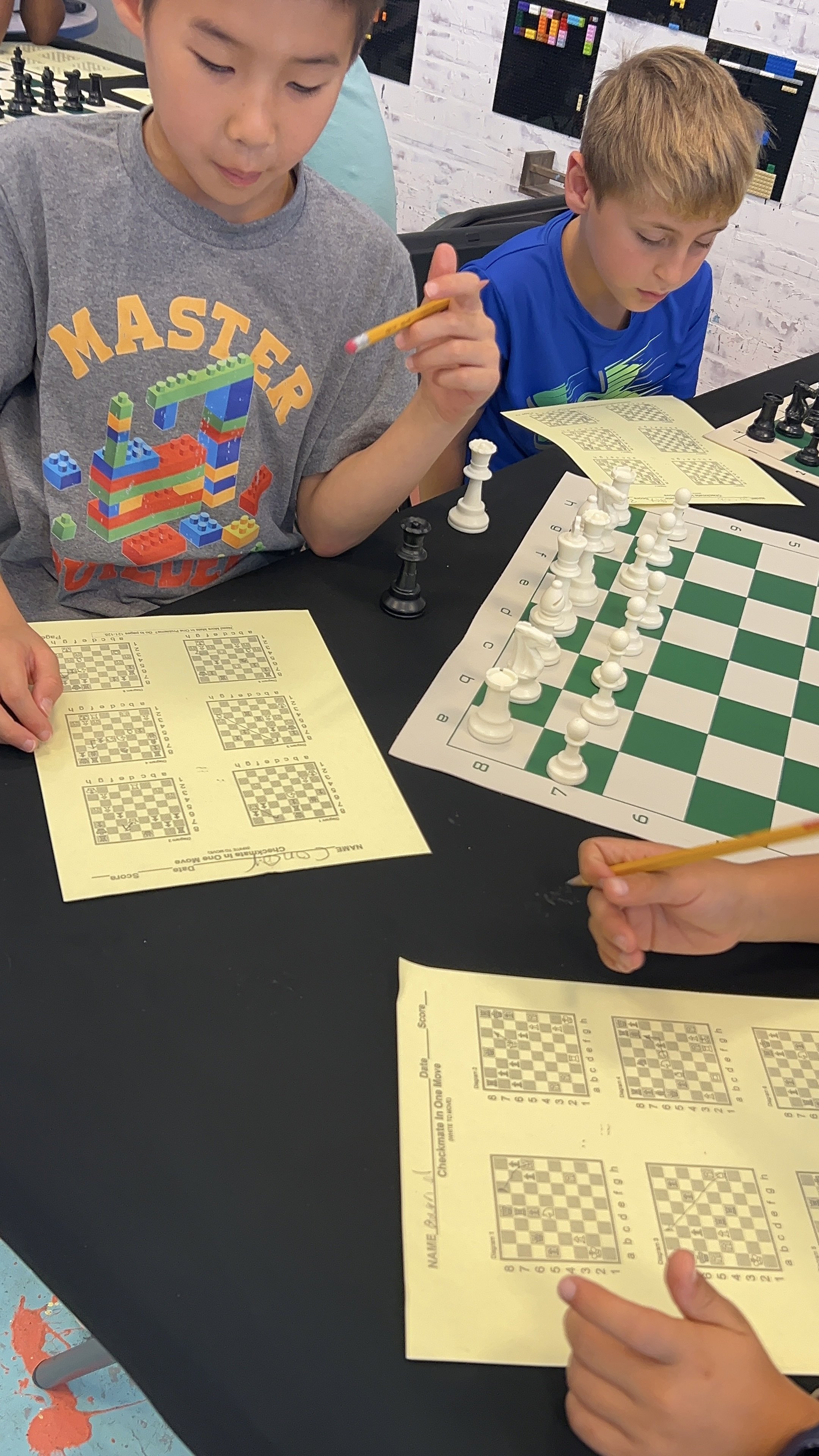
Discovery Center at Stony Point + Henrico County Gifted Program Chess tournament
make decisions under pressure
manage disappointment
recover from mistakes
respect the person sitting across the board.
Discovery Chess supports both rated and unrated competition. We want players who are interested in tournament chess to feel prepared, confident and connected to meaningful opportunities.
But tournaments should be milestones within a player’s journey—not the only moments when that journey feels real.
When chess revolves entirely around the next tournament, players can fall into a repetitive cycle:
Compete. Practice. Compete again.
What is often missing is the space between those moments: the friendships, conversations, team identity, mentoring, shared goals and simple joy of returning to a place where people know your name.
A tournament can tell a player how they performed that day. A community helps them understand that they still belong the next day.
Connection Is Not an Extra
We are living through a period in which people of every age are looking for meaningful ways to connect.
The World Health Organization’s Commission on Social Connection has called attention to the widespread effects of loneliness and social isolation and the need for practical, scalable ways to strengthen human connection.
Chess cannot solve every challenge of disconnection. But it offers something remarkably useful.
Two people can sit across from one another, share a common language and begin interacting without needing to know what to say first. The board provides structure. The game creates focus. Conversation develops naturally around it.
Children can play with adults. Beginners can learn from experienced players. Families can share an activity that does not depend on everyone being the same age. People from different schools, neighborhoods and backgrounds can meet on equal ground.
The chessboard becomes more than a playing surface. It becomes a meeting place.
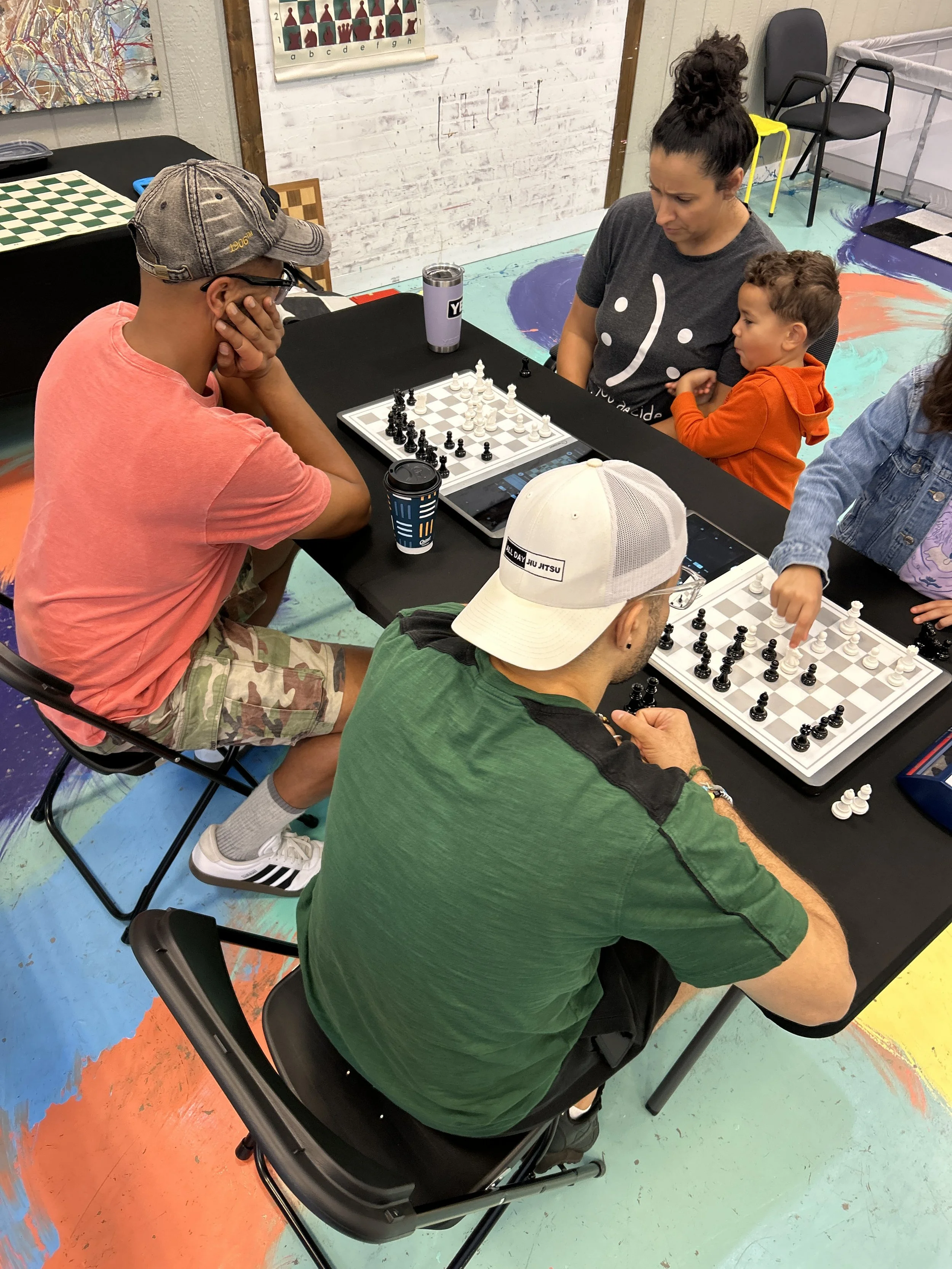
Adult Chess at the Discovery Center at Stony point
What Connected Chess Looks Like at Discovery
At Discovery Chess, we are building pathways instead of disconnected programs.
A child may begin by exploring the game through Atomic Knights Chess Club. As their interest and skills develop, they may move into consistent instruction through Discovery Chess Academy, join The Rated Room for deeper competitive development or represent their school through the Discovery Chess League.
Girls can find identity and community through Indigo Queens. Families can play together. Adults can return to a game they once loved—or finally learn it for the first time. Seniors can gather around chess and coffee.
Players can enjoy casual games, study seriously, participate in a league, prepare for tournaments or simply find people who are glad to see them return.
Not every player wants the same experience, and not every player needs to follow the same path. Connection does not mean forcing everyone into one model.
It means making sure there is a next step when they are ready.
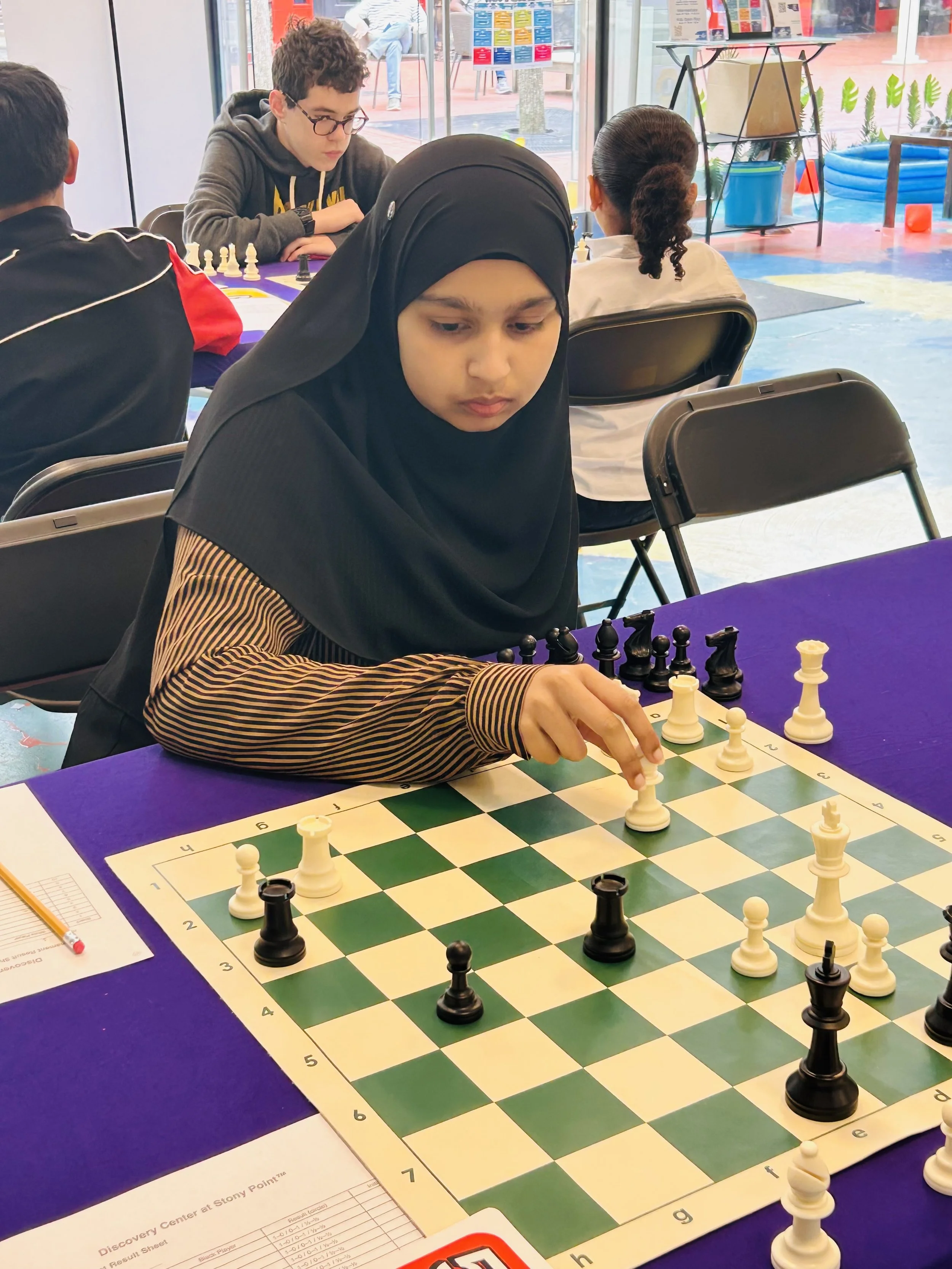
Building a Connected Chess Community in Richmond
Richmond already has people who teach chess, organize tournaments and create places for casual play. Those efforts matter.
Discovery is not here to erase them.
We are here to expand what chess can hold.
We want Richmond families to experience chess as more than a series of unrelated opportunities they must locate and assemble on their own. We want players to have a physical home, visible pathways and a community that can grow with them.
We want schools to move from having temporary chess clubs to building teams and traditions.
We want children to know the players they compete against—not only as opponents, but as peers.
We want adults and seniors to see themselves as part of Richmond’s chess community too.
We want tournaments, instruction, recreation, technology, family participation and community life to strengthen one another.
Richmond does not need fewer chess events.
It needs a connected chess life between them.
The Next Chapter
In 2020, I wrote that chess could be forever.
Today, I understand that “forever” requires more than teaching someone how the pieces move. Players also need opportunities to grow, relationships that continue and places that welcome them back.
Whether someone first encounters chess through a grandparent, a television show, an app, a friend or a tournament, that moment of discovery should be able to lead somewhere.
There should be a place to begin.
A place to learn.
A place to play.
A place to develop and compete.
And, just as importantly, a place to return.
Chess should be more than somewhere you go. It should be somewhere you belong.
At Discovery Center at Stony Point™, we open space to discover, learn and play.